
In 2026, we know that maintaining independence is the number one goal for seniors in Los Angeles. But for many families, that goal feels threatened by the what if of a fall.
At CareWell Homecare, we believe fall prevention is not about restriction. It is about empowerment. By introducing professional caregiver support, families are not taking away a senior's freedom. They are giving them confidence to move safely within the home they love.
The Invisible Safety Net: How Home Care Transforms Fall Prevention
Understanding The Landscape (By The Numbers)
Statistics show why proactive support matters. According to 2026 data from the CDC and National Council on Aging:
- The One-In-Four Rule: Each year, more than 25% of Americans age 65 and older experience a fall.
- The Confidence Gap: Falling once doubles the chance of another fall and often creates a fear cycle that makes people less active and physically weaker.
- The Recovery Reality: Fall-related injuries can require extended recovery and often trigger additional health setbacks.
How A Caregiver Changes The Equation
Technology like emergency alert buttons is useful, but reactive. A caregiver is proactive.
1. The Clinical Advantage
Because CareWell is led by a Doctor of Physical Therapy, caregivers are trained to recognize gait and mobility risks before a fall occurs.
- They identify furniture walking and balance compensation early.
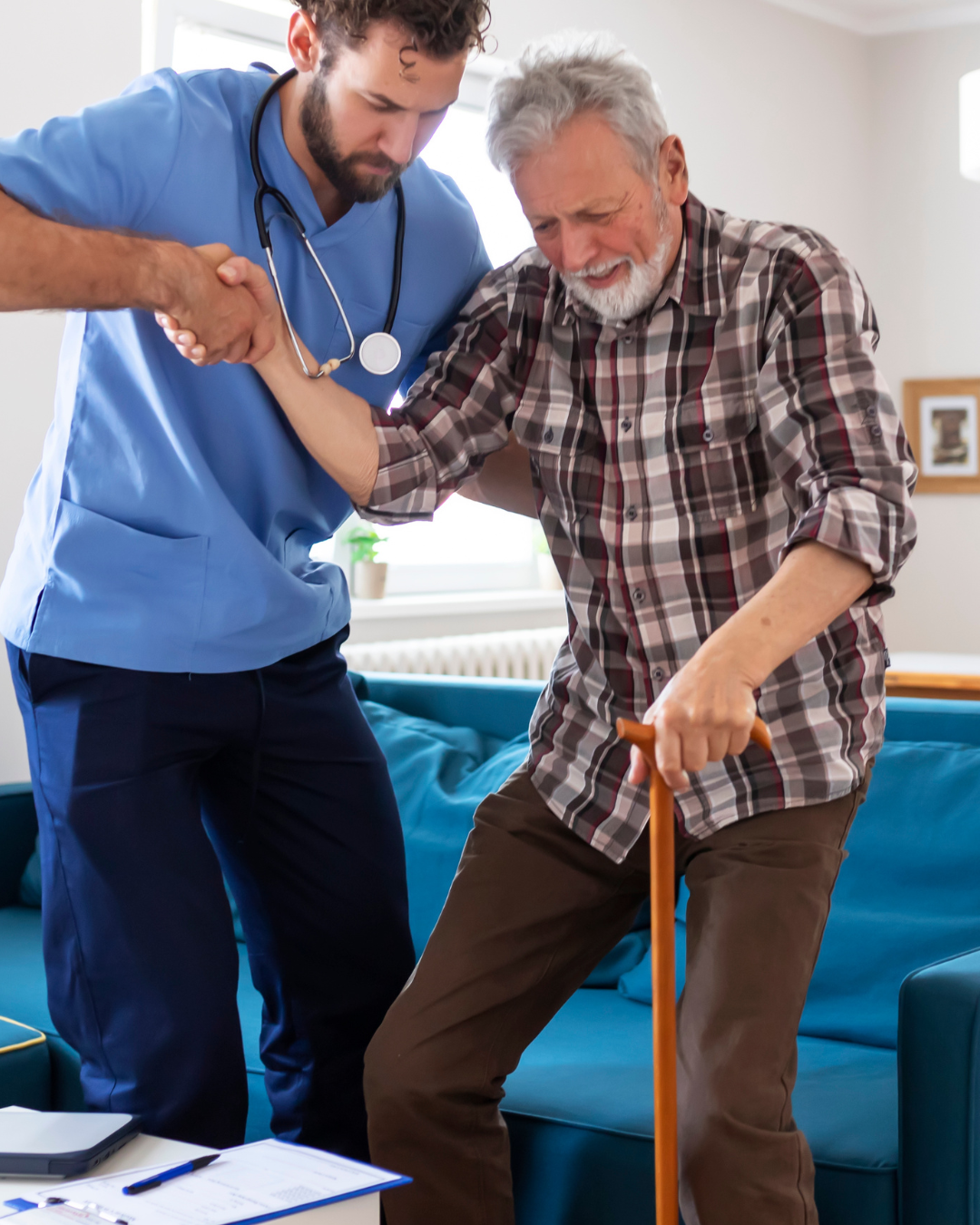
- They assist with walkers and canes correctly so equipment supports safety, not strain.
2. Environmental Micro-Adjustments
Caregivers run daily safety sweeps to spot loose rugs, wet surfaces, cluttered pathways, and small hazards before they become dangerous.
3. Strategic Hydration And Nutrition
Dizziness from dehydration and blood sugar dips increases fall risk. Caregivers maintain meal and hydration consistency to stabilize energy and balance.
4. Safe Transitions
High-risk moments include getting out of bed and standing after rest. A caregiver provides support during these transitions to reduce sudden instability.
Prevention Is A Partnership
Falls are not an inevitable part of aging. They are a manageable risk. With professional supervision and clinical insight, families can replace worry with a plan.
Is your loved one's home as safe as it could be? Contact CareWell Homecare for a Clinical Home Safety Evaluation.
Home Care Safety Checklist
A guide to aging in place safely by CareWell Homecare.
Use this checklist to identify common household hazards.
1. Entryways And Hallways
- [ ] Lighting: Are bulbs bright and non-glare?
- [ ] Pathways: Is there a clear 36-inch walking path through key routes?
- [ ] Thresholds: Are transitions between flooring surfaces level?
- [ ] Rugs: Are throw rugs removed or secured safely?
2. Living Room
- [ ] Furniture height: Can your parent stand up from favorite seating without repeated rocking?
- [ ] Cords: Are electrical and phone cords routed away from walk paths?
- [ ] Pet safety: Are bowls and toys kept outside primary walking lanes?
3. Kitchen
- [ ] Reach: Are everyday items stored between waist and shoulder height?
- [ ] Step support: Is any step stool stable and equipped with a safe handhold?
- [ ] Spill response: Is there a quick way to dry wet floors immediately?
4. Bathroom
- [ ] Grab bars: Are secure bars installed near toilet and shower?
- [ ] Non-slip setup: Are there non-slip strips and a stable mat outside the tub?
- [ ] Water temperature: Is the heater set near 120F or lower?
- [ ] Toilet height: Is seating high enough for safe transfers?
5. Bedroom
- [ ] Night path: Is there motion lighting from bed to bathroom?
- [ ] Bedside essentials: Is phone, flashlight, and lamp within easy reach?
- [ ] Footwear: Are non-slip slippers available next to the bed?
Next Steps For Your Family
A checklist is a strong start, but a professional evaluation is better. Every new CareWell client receives a Clinical Home Safety Evaluation led by our clinical supervisor team.
Call 323-287-5133 to schedule your complimentary home safety walkthrough.